

Hard Shell vs Soft Shell Luggage: Which Is Better for Canadian Travelers?
If you’re trying to decide between hard shell vs soft shell luggage in Canada, the right choice depends on how you travel. In general, hard shell luggage is better for protection, especially for winter travel, checked baggage durability, and flights with airlines like Air Canada and WestJet.
Soft shell luggage is better for flexibility, lighter weight, and fitting into tight overhead bins. Canadian travelers often deal with snow, rain, smaller aircraft, and strict carry-on rules, so both protection and packing flexibility matter. The best luggage for Canadian winter travel may be hard shell, while flexible carry-on travel may favor soft shell. Read on as we break it down in simple terms to help you choose the right suitcase.
-

Canadian Designed
-

TSA-Approved Locks
-

Lightweight Materials
-

Limited Warranty


Feature Overview

Hard Shell Luggage

Soft Shell Luggage
Durability

Very durable outer shell; resists dents
and pressure.

Durable fabric but can wear, tear,
or stain over time
Impact Resistance

Strong impact protection for
fragile items

Less impact protection fot fragile
items
Water Resistance

Water-resistant; rain and
snow roll off

Limited water resistance unless
treated fabric
Weight

Slightly heavier

Usually lighter
Expandability

Limited expansion

Often expandable with added
packing space
Exterior Pockets

Typically none

Multiple exterior pockets
for quick access
Airline Compatibility

Fixed shape & predictable sizing

Can expand beyond airline limits if
overpacked
Price Range

Often higher, especially premium materials

Available at various price points,
often more affordable
Best For
Air travel, winter conditions, fragile items. Choose PP for maximum durability and lightweight performance, or PC for a premium feel and strong impact absorption
Carry-on travel, flexible packing, extra storage. Choose soft shell if you want flexibility and accessible storage.
What Are HardShell Suitcases Made Of?
Understanding what your suitcase is made of helps you understand how it will perform especially for Canadian travel, where luggage may face cold temperatures, rough baggage handling, and tight overhead compartments.
Hard Shell Materials
Hard shell suitcases are made from rigid plastics or metals designed to protect what’s inside.

1.Polycarbonate
Polycarbonate is one of the most popular high-quality hard shell materials. It is lightweight, durable, and highly impact-resistant. One of its biggest advantages is flexibility: it can flex under pressure instead of cracking, which helps prevent splits during rough baggage handling. It also handles temperature changes better than cheaper plastics, making it a strong option for air travel.
2.Acrylonitrile Butadiene Styrene (ABS)
ABS is a more affordable hard-shell material. It is lighter and cost-effective, which makes it common in budget-friendly luggage. However, it is less flexible and less impact-resistant than polycarbonate, meaning it may show cracks or wear sooner over time.
3.Durability
Hard shells provide superior protection against crushing and impact. They are ideal for protecting electronics, souvenirs, and fragile items. They are also more water-resistant, as rain and snow roll off the surface instead of soaking in.
4.Weight
Hard shell luggage is typically slightly heavier than soft shell luggage, especially if made from thicker materials. Premium options may balance strength and weight more effectively.
5.Flexibility
Hard shells are rigid and do not expand or compress. Their fixed structure ensures they stay within airline size limits, but they offer less packing flexibility.
Hard Shell Luggage – Maximum Protection for Air Travel
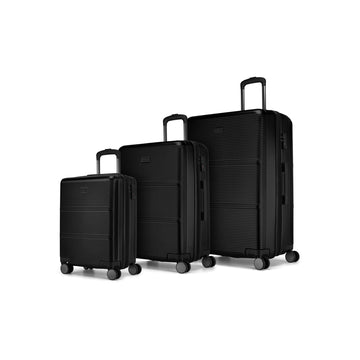
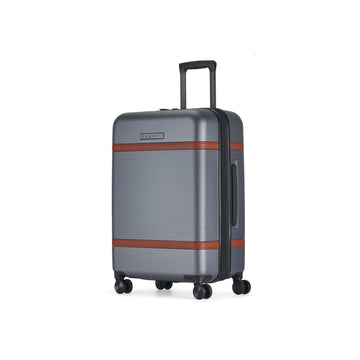
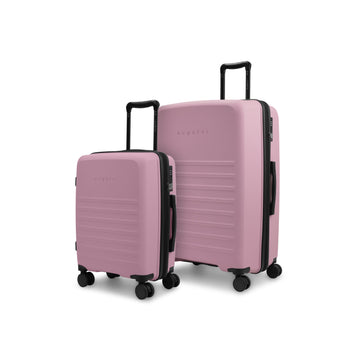
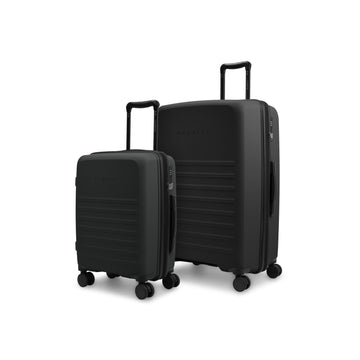
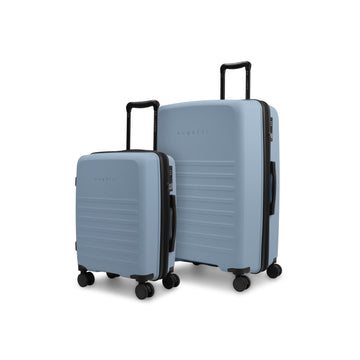
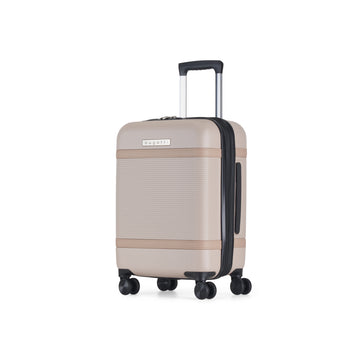
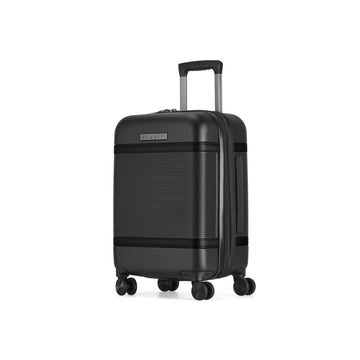
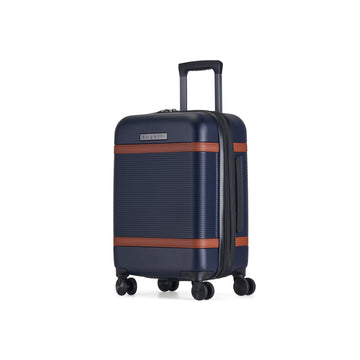
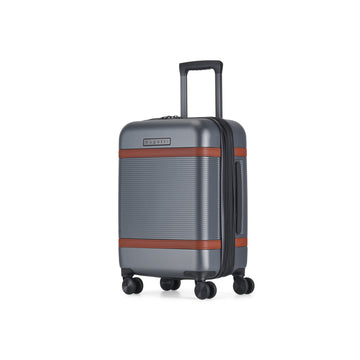
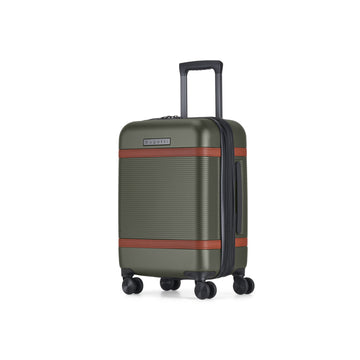
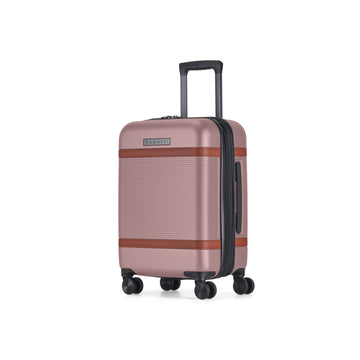
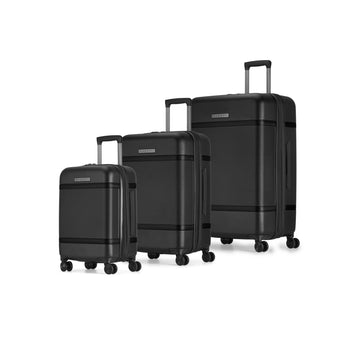
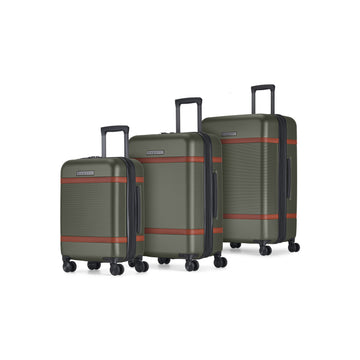
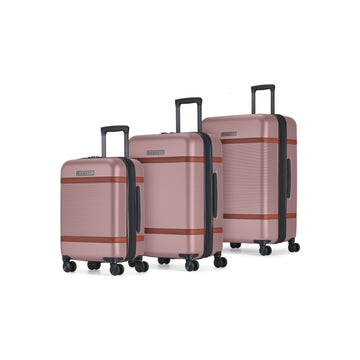
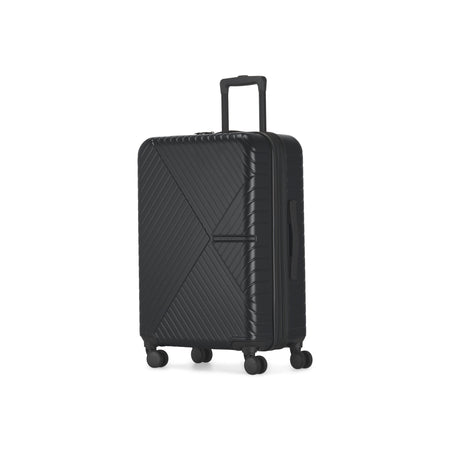
Hard shell luggage is designed for travelers who want strong protection and durability, especially during flights where baggage handling can be rough. These suitcases are typically made from materials like polycarbonate or ABS plastic, which create a rigid outer shell that protects the items packed inside. For Canadian travelers flying domestically or internationally, hard shell luggage is often preferred because it handles impacts well and performs better in wet or snowy conditions.


Impact-resistant exterior
Hard shell luggage has a tough outer structure that protects fragile items such as electronics, glass souvenirs, or cosmetics from pressure and impact during air travel.

Water resistance
The rigid exterior prevents moisture from easily entering the suitcase. Rain, snow, and spills usually roll off the surface, helping keep your belongings dry.

Scratch resistance
While minor scuffs can happen during travel, hard shells are built with durable materials that resist damage better than fabric bags.

Structured packing
Hard shell luggage maintains its shape, which helps organize items neatly and prevents the suitcase from bulging beyond airline carry-on limits.
Hardshell luggage: A smart pick for you?
Pros

Cons
Best For


Frequent flyers who regularly check luggage

International travel where baggage handling can be rough

Electronics protection when carrying fragile items

Winter travel in Canada where rain, snow, and slush are common
Explore Hard shell collection
















What Are Soft Shell Suitcases Made Of?
Understanding what your suitcase is made of helps you understand how it will perform especially for Canadian travel, where luggage may face cold temperatures, rough baggage handling, and tight overhead compartments.
Soft Shell Materials
Soft shell luggage is made from woven synthetic fabrics designed for flexibility and lighter weight.

1.Ballistic Nylon
Ballistic nylon is a thick, durable synthetic fabric known for its resistance to abrasion and wear. It is smooth, strong, and designed to handle heavy use without tearing easily. It is often found in higher-end soft shell luggage.
2.Polyester
Polyester is a lighter and more affordable fabric commonly used in soft-sided luggage. It offers flexibility and lighter weight but may not be as abrasion-resistant as ballistic nylon.
3.Durability
Modern soft shell fabrics are strong and tear-resistant, but they do not offer the same level of impact or crush protection as hard shells. While some fabrics are treated for water resistance, they are more likely to absorb moisture compared to rigid materials.
4.Weight
Soft shell luggage is generally lighter than hard shell luggage. This can help travelers pack more before reaching airline weight limits.
5.Flexibility
Flexibility is the biggest advantage of soft shell suitcases. The fabric can stretch slightly to accommodate extra items, expand when needed, and compress into tighter spaces. Many soft shells also include exterior pockets for easy access to travel documents or essentials something hard shells typically do not offer.
Soft Shell Luggage – Flexible and Expandable Packing
Soft shell luggage is designed for travelers who prioritize flexibility, lighter weight, and convenient storage. These suitcases are typically made from durable fabrics such as nylon or polyester, which allow the bag to stretch slightly when packing and fit more easily into tight spaces. Many travelers prefer soft shell luggage for carry-on travel because it offers additional compartments and convenient exterior pockets.

Expandable compartments
Many soft shell suitcases include expansion zippers that provide extra packing space, which is helpful when bringing back souvenirs or packing last-minute items.
Exterior quick-access pockets
Front pockets allow easy access to travel essentials like passports, documents, chargers, or a jacket without opening the entire suitcase.
Lightweight flexibility
Fabric construction keeps the luggage lighter and allows it to compress slightly to fit into overhead bins or smaller storage spaces.
Softshell luggage: A smart pick for you?
Pros

Cons
Best For

Road trips where flexibility and easy storage matter
Short business travel with carry-on luggage
Over-packers who need extra packing space
Flexible storage needs when fitting luggage into tight spaces
Explore Soft shell collection


Which Luggage Should You Choose?

HARD SHELL LUGGAGE

SOFT SHELL LUGGAGE
If You Fly Frequently
Engineered for the modern traveler
If You Travel Mostly by Car
Flexible and easy to pack
If You Travel Internationally
Global security meets durability
If You Need Extra Packing Space
Maximum volume for long stays
If You Travel in Canadian Winter Conditions
Built for the extreme North
What works best for flights?
 Overhead Compartment Sizing

Carry-on luggage must fit within airline size limits to be placed in overhead compartments. Hard shell luggage has a fixed shape, which makes sizing more predictable and helps ensure the bag stays within airline carry-on limits. Soft shell luggage offers more flexibility and can sometimes compress slightly to fit into tighter overhead spaces on smaller aircraft. However, if a soft bag is overpacked, it may expand beyond airline size requirements.

 Checked Baggage Durability

Checked luggage often goes through rough handling during flights. Hard shell suitcases are generally better for checked baggage because their rigid exterior protects belongings from impact and pressure. This makes them a good choice for travelers carrying fragile items such as electronics or souvenirs. Soft shell luggage is durable but provides less protection against crushing or heavy pressure from other bags.
 Spinner Wheel Stability

Most modern suitcases include spinner wheels that rotate 360 degrees, allowing travelers to move luggage smoothly through airport terminals. Four wheel spinner designs help distribute the weight of the suitcase evenly, making it easier to navigate crowded airports, security lines, and long walking distances.
 Security and Airport Screening

When flying internationally or passing through US airports, luggage with Transportation Security Administration (TSA)-approved locks can be helpful. These locks allow airport security to inspect luggage without damaging it. Many hard shell suitcases include integrated TSA locks, while soft shell luggage may also include compatible locking systems for added security.

Why Choose Bugatti?
Bugatti luggage is designed for travelers who want a combination of style, durability, and practical travel features. Designed in Canada, each suitcase is built with lightweight yet durable materials that help protect your belongings while keeping the luggage easy to handle during trips. Bugatti suitcases are equipped with smooth 360° spinner wheels, allowing travelers to move easily through busy airports and crowded terminals. Many models also include TSA-approved locks, providing extra security while still allowing airport authorities to inspect luggage when necessary.
Along with functionality, Bugatti luggage offers a modern and sleek design, making it a stylish choice for both business and leisure travel. Backed by a limited warranty, positive customer reviews, and a strong Canadian presence, Bugatti luggage is a trusted travel companion designed to make every journey more comfortable and reliable.

Find the Perfect Luggage for Your Travel Style
Choosing between hard shell and soft shell luggage ultimately depends on how you travel. By understanding the differences between the two, you can choose the suitcase that fits your travel needs, packing habits, and destination. Explore the options below to find the luggage that best matches your travel style.
If you're wondering whether a carry-on is enough for a week away, see our guide on what size luggage for a 7-day trip.


100K+ CUSTOMERS

Start your shopping
Find the Perfect Luggage for Your Travel Style

