


Europe rewards travelers who pack smart and punishes those who do not. The continent's older infrastructure, spiral staircases in Airbnbs, cobblestone streets through historic city centres, narrow train corridors, crowded metro carriages, creates friction at every stage of a trip for anyone dragging an oversized bag. The size and type of luggage you choose directly shapes how much you enjoy the experience.
This guide covers every luggage size for European travel, which bag types work best for which trip, how climate affects the decision, what to actually pack, and which Bugatti bags are built for the demands of travelling across Europe.
What is the best luggage size for Europe?
For most European trips, a 20-inch carry-on (35–45 litres) is the single best choice. It is manageable on trains, fits in overhead compartments on most carriers, handles cobblestones better than a large rolling suitcase, and keeps you moving without the delays and costs of checked baggage.
For trips longer than 10 days, cold-weather destinations, or itineraries based in one or two cities rather than constant movement, a 24-inch medium checked bag (60–75 litres) gives you the capacity to pack properly without the bulk of an oversized suitcase.
A 28-inch large checked bag is not recommended for Europe in most scenarios. Large suitcases are genuinely difficult to manage up the steep spiral staircases common in European boutique hotels and apartment rentals, cumbersome on trains and city buses, and slow you down at every transition. Most experienced Europe travelers arrive at this conclusion the hard way, usually during their first trip.
Why luggage size matters more in Europe than anywhere else?
Europe's travel infrastructure is older and more varied than what most Canadian travelers encounter at home. A suitcase that glides through a flat airport hotel corridor becomes a problem at a fourth-floor Lisbon walkup, a Venice canal path, or a Prague cobblestone square. There are no elevators in many historic buildings, no smooth surfaces on many city streets, and no margin for error on a train platform when the doors close in 30 seconds.
The physical terrain of your destination also matters in ways specific to Europe. Mediterranean cities like Amalfi, Cinque Terre, and Dubrovnik have steep, narrow paths where a large wheeled suitcase is essentially impassable. Northern and Eastern European cities tend to have wider streets and more accessible infrastructure, but old-town areas in almost every major European city involve some combination of stairs, cobblestones, and tight corridors.
Getting this decision right at the start means you move freely across every city, every transport connection, and every accommodation. Getting it wrong means the bag becomes the focus of the trip.

Does the climate change what size you need for Europe?
Significantly. Europe spans an enormous range of climates, and your destination should directly affect your luggage size decision.
Mediterranean and Southern Europe in summer (Spain, Italy, Portugal, Greece):
Lightweight fabrics, sandals, and minimal layering mean you can travel comfortably out of a 20-inch carry-on for up to two weeks if you pack deliberately. Linen, cotton, and quick-dry fabrics compress well and dry overnight if needed.
Northern and Western Europe in shoulder season (France, Netherlands, Germany, UK, Ireland — spring and autumn):
Variable weather means layers, a rain jacket, and at least one warmer option. A 20-inch carry-on handles this for trips up to a week. For anything longer, a 24-inch medium checked bag gives you the flexibility to pack for unpredictable weather without stress.
Scandinavia and Alpine destinations in winter (Norway, Sweden, Austria, Switzerland):
A single down jacket can consume 25–30% of a carry-on's total volume. Add wool layers, heavy boots, and thermal base layers and a carry-on alone becomes very difficult to manage. A 24-inch medium checked bag is the minimum for winter travel in cold climates. A 28-inch large bag may be justified only for ski trips or extended stays in genuinely cold conditions.
The two-bag approach: the smartest setup for European travel
The most practical luggage setup for most European trips is not one large suitcase. It is two bags working together: a 20-inch carry-on as your main bag, plus a compact personal item, backpack, tote, or crossbody, that carries your daily essentials.
This combination gives you more total capacity than a single checked suitcase in many cases, keeps everything with you so nothing gets lost in transit, and makes navigating every type of European transport significantly easier. On trains, you manage two small bags rather than wrestling one large one through a narrow carriage. In accommodation with stairs, you carry both up without needing to stop. On city streets, the smaller bag can come off your shoulder for tight spaces.
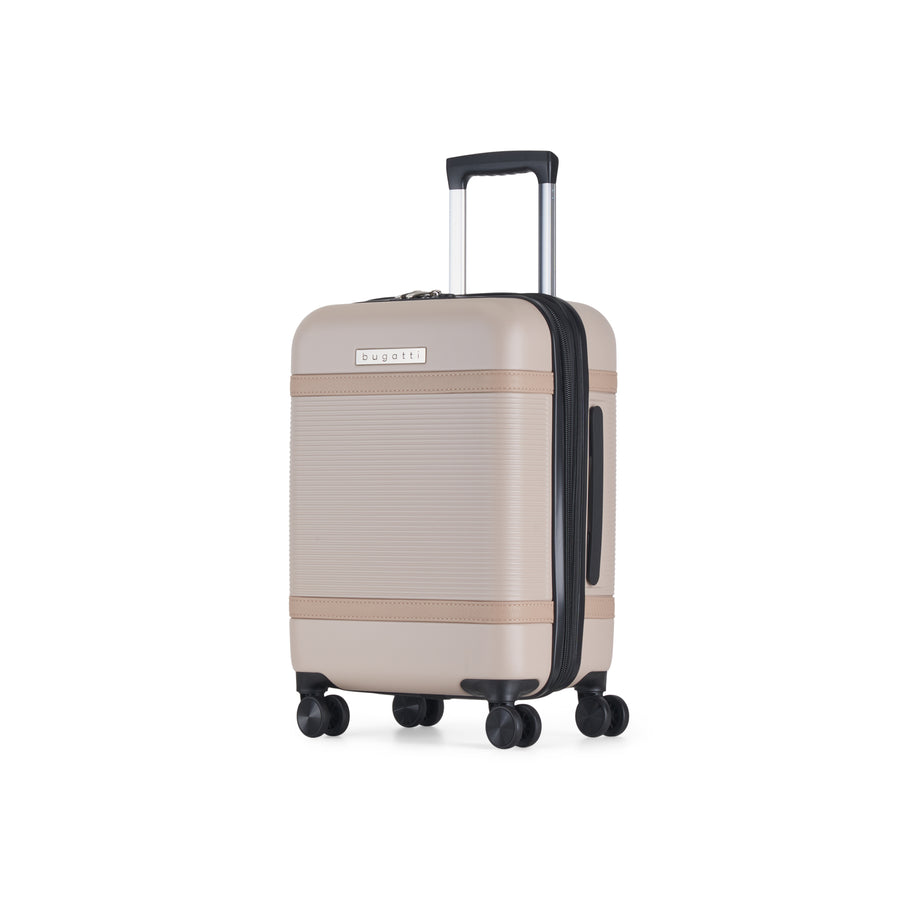


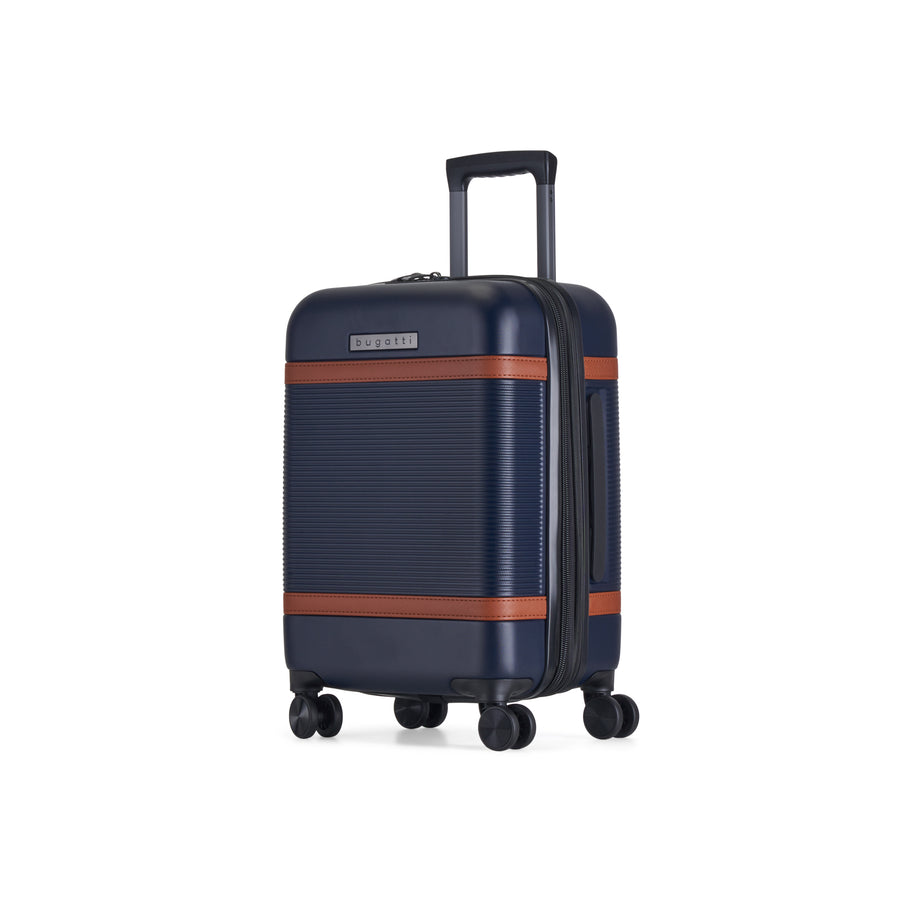
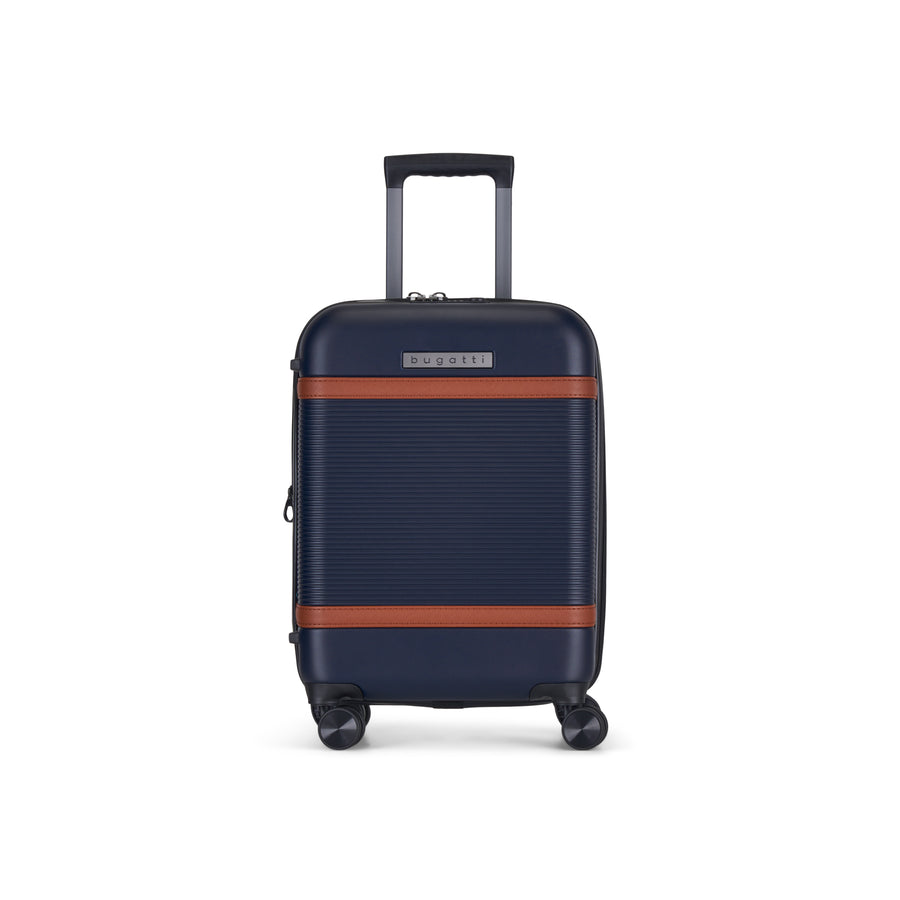


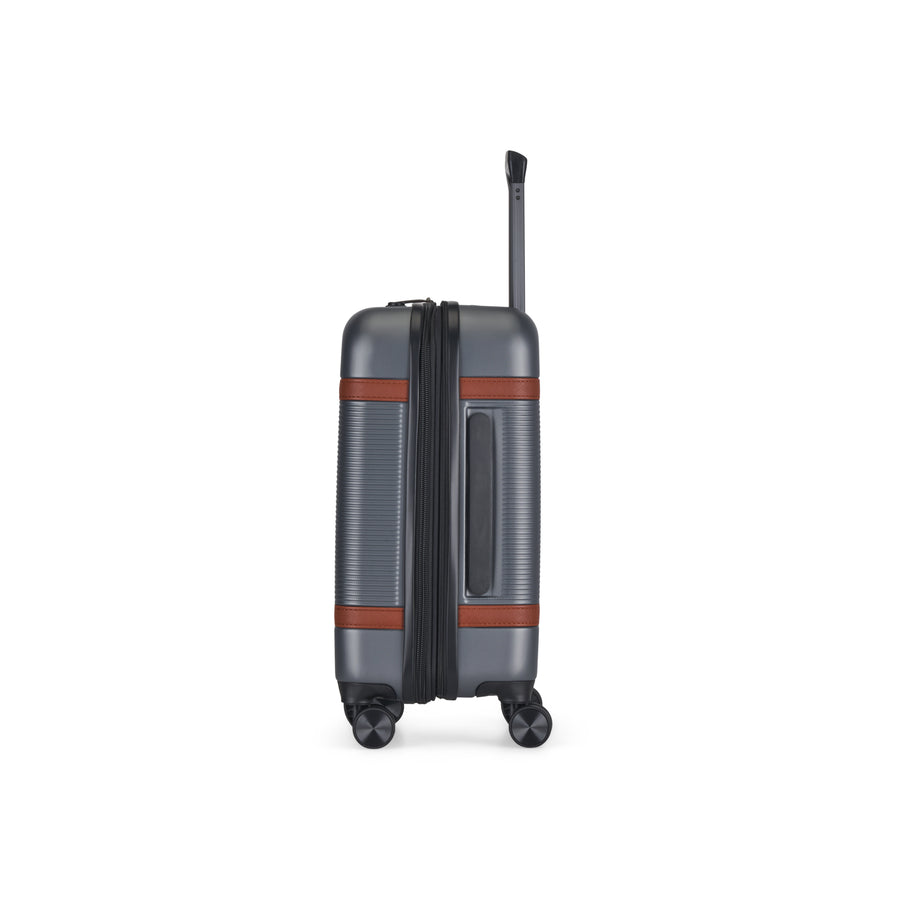


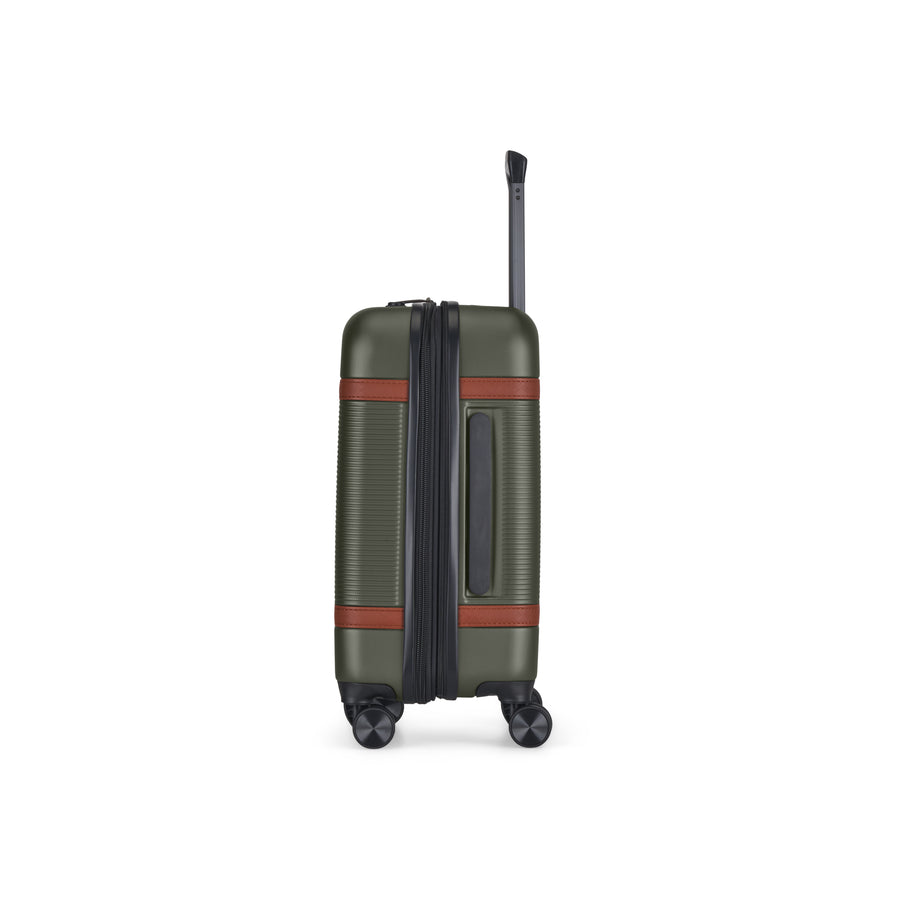


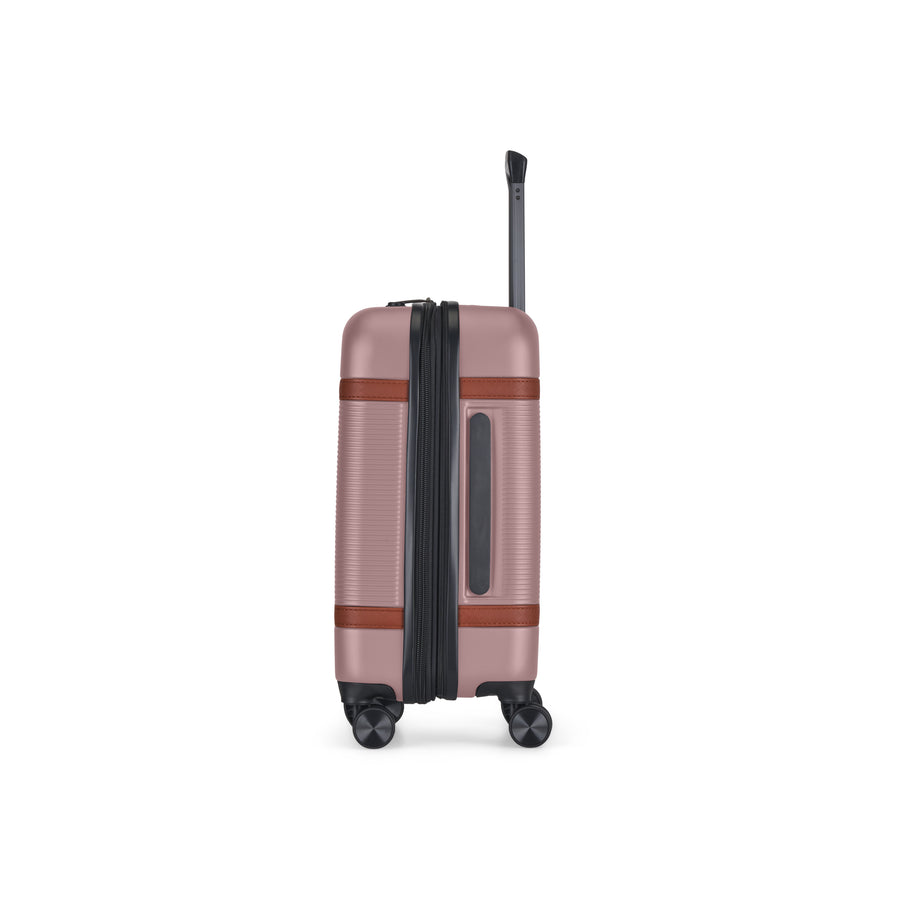


For the carry-on in this setup, the Wellington Carry-On is a strong choice. Hard-shell, structured, and available in Cookie, Black, Navy, Silver, Dark Green, and Wood Rose, a colour range wide enough to stand out at any luggage rack. It is part of the full Wellington collection which scales from carry-on through to large checked and a 3 piece set, so it can be paired consistently across any trip length.
The Munich Pro Carry-On is worth considering if you want built-in AirTag tracking and recycled PET construction. Available in Fig, Black, and Mocha. The AirTag holder is particularly useful across European multi-city trips where your bag moves through multiple transfer points.
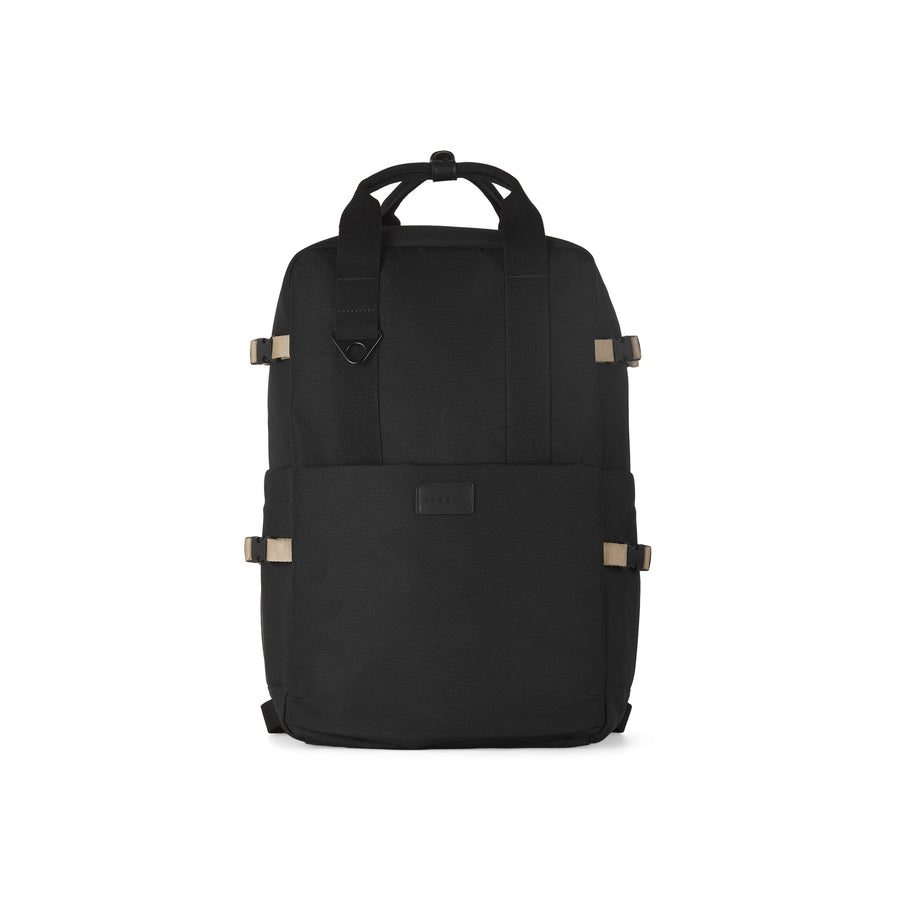
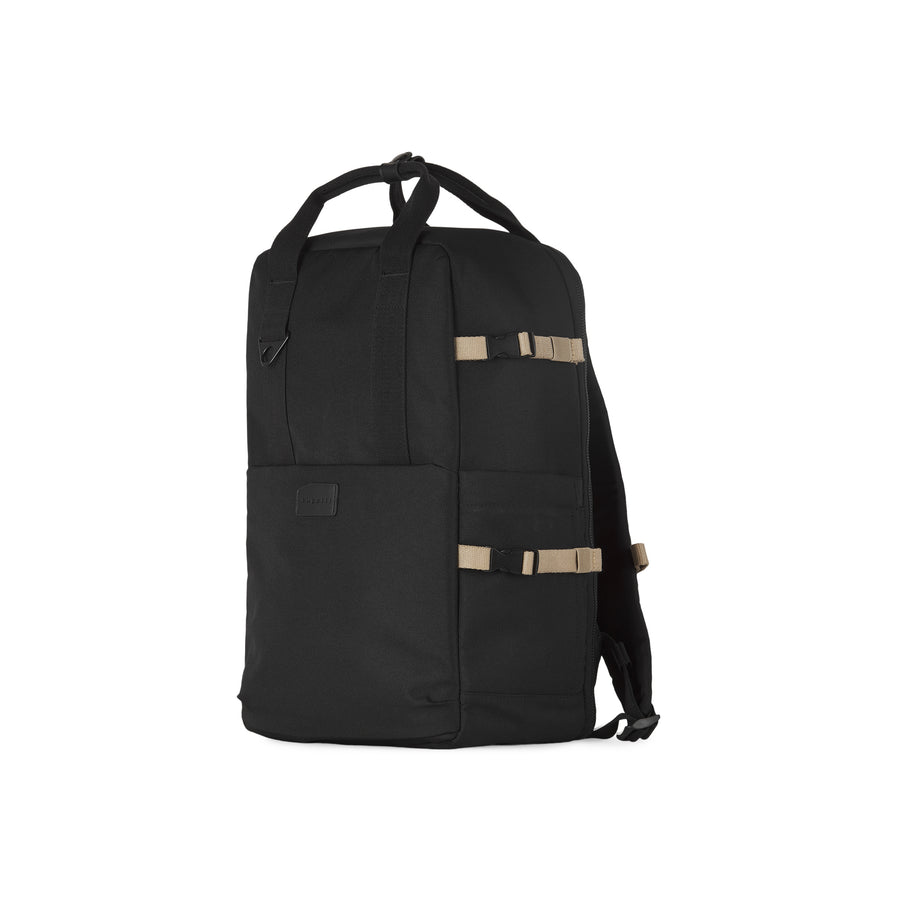
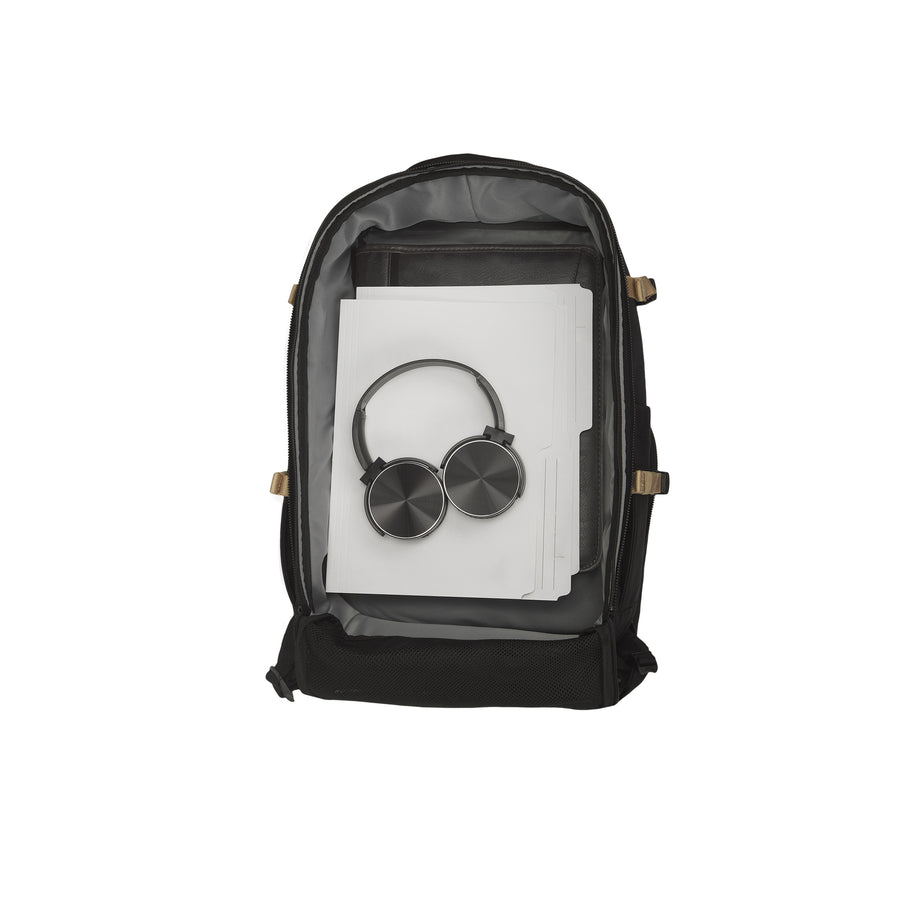
For the personal item component of the two-bag setup, the options vary by travel style. The Vacilando Travel Backpack is a dedicated travel backpack built with Europe-style use in mind structured enough to carry a week's worth of daily essentials, compact enough to carry comfortably through a full day of exploring. For a more compact option, the Brussels Sling Bag) in Pink, Lilac, Yellow, or Black carries your documents, phone, and daily essentials hands-free ideal for active city days when you want your hands free on cobblestone streets and metro platforms. Browse all backpacks to find the right fit.

Can I do Europe with just a backpack?
Yes, and for certain types of European travel, a backpack is actually the most practical choice of all. Backpacks leave both hands free, handle uneven terrain better than wheeled luggage, and fit into any overhead space, under any seat, and through any door. They are the bag of choice for backpacker-style travel, inter-rail routes, and hostels.
The tradeoff is organisation. Without compartments or a rigid structure, clothes wrinkle more easily and finding things takes longer. If you want a backpack that functions more like structured travel luggage, the Vacilando Travel Backpack bridges the gap, it is designed with travel organisation in mind rather than just capacity.
For a high-style, high-capacity option that also doubles as a day bag, the Contrast Backpack in Navy, Black, or Grey gives you a structured bag that handles a full day of European city exploration comfortably. The Palermo collection offers lighter, more casual backpack options well-suited to warm-weather European city trips.
When does a duffle bag make sense for Europe?
A duffle bag is a practical alternative to a hard-shell suitcase for certain types of European travel, particularly shorter trips, adventure-style itineraries, or destinations where flexibility matters more than structure. Duffles are lighter than hard-shell luggage, compress down when not fully packed, and fit into overhead compartments and tight storage spaces more easily than rigid bags.
The Vacilando Travel Duffle Bag is the premium option, designed specifically for travel use with the organisation and durability needed for multi-day trips. The Core Duffle Bag (Black or Khaki) from the Edition 22 collab is a cleaner, more minimal option that works as both a travel bag and an everyday carry. Browse all duffles to see the full range.
The best medium checked bag for Europe: Wellington Check-In Medium
When a checked bag is genuinely needed, winter travel, long stays, family trips, the right choice is a 24-inch medium, not a 28-inch large. The Wellington Check-In Medium is built exactly for this role.
It is a 24-inch hard-shell checked bag available in the widest colour range of any Bugatti checked bag: Black, Silver, Navy, Green, Cookie, Dark Green, and Wood Rose. The hard shell protects contents in the hold, the 360-degree spinner wheels handle the transition from terminal to street without effort, and the built-in TSA-approved lock secures the bag at every checkpoint. The structured interior keeps clothing in shape across multiple transfers.
If you genuinely need to step up to a larger checked bag, an extended winter trip, ski gear, or family packing for two adults in one case, the Wellington Check-In Large covers that need in Wood Rose, Black, Cookie, Navy, Silver, and Dark Green. Use it when the trip demands it, not as a default.
Browse the full Wellington collection.
What size luggage for specific Europe trip types?
City break, 2–5 days, warm weather, 1–2 cities:
A 20-inch carry-on is all you need. The Munich Carry-On in Black, Fig, or Mocha covers a weekend in Paris, Amsterdam, or Barcelona with its lightweight recycled PET shell and built-in AirTag holder.
Standard Europe holiday, 7–10 days, warm weather:
A 20-inch carry-on with a personal item backpack covers most travelers. The Wellington Carry-On plus the Vacilando Travel Backpack is the complete setup, enough capacity for a week, with a day bag that functions independently once you arrive.
Multi-city trip, 10+ days, 4–6 cities across Europe:
Stay carry-on only wherever possible. The more cities you move through, the more important mobility becomes relative to packing volume. The Munich Pro Carry-On with AirTag tracking built in is especially useful here, tracking your bag across multiple European rail and air transfers gives peace of mind without the bulk of a checked bag.
Winter Europe trip, any length:
A 24-inch medium checked bag is the minimum. The Wellington Check-In Medium handles winter packing volume well with room to spare in most cases. If you are heading somewhere that requires ski gear or extreme cold weather equipment, the Wellington Check-In Large is the right upgrade.
Business travel in Europe:
A 20-inch carry-on works well for short trips of two to three days if formal clothing is packed with compression and care. For a week or more of business travel with suits and dress shoes, a 24-inch medium checked bag, the Wellington Check-In Medium in Black or Navy, protects formal wear better and eliminates the stress of packing around cabin liquid restrictions. For the business traveler who wants a premium carry-on, the Raphael Carry-On is the most polished option in the Bugatti range.
Family or group travel:
One large shared checked bag plus individual carry-ons per adult is more practical on European transport than multiple medium checked bags. The Wellington Check-In Large handles the shared essentials while each adult manages their own carry-on for daily access.

What to pack for Europe: a realistic packing list?
Getting the packing list right is what makes the luggage size decision work. Most travelers overpack because they build their list without a bag size constraint in mind. Start with the bag, then build the list to fit it.
For a 7–10 day warm-weather Europe trip out of a 20-inch carry-on:
6–7 tops in mix-and-match neutrals, 2 pairs of trousers or jeans, 1 pair of shorts if the climate calls for it, 1 light jacket or layer, 7 pairs of socks and underwear, 2 pairs of shoes (one worn on travel day, one packed — keep it lightweight), travel-sized toiletries, phone charger and one universal travel adaptor, and a compact day bag for use at the destination.
For a 7–10 day winter Europe trip out of a 24-inch checked bag:
Swap the above for heavier fabrics, add thermal base layers, replace the light jacket with a down jacket or wool coat, add one pair of boots worn on travel day, pack one additional pair of warm shoes inside, and allow for thicker socks and winter accessories. The Wellington Check-In Medium handles this list comfortably with its expansion feature providing extra depth if needed on the return with souvenirs.
Can I do laundry in Europe to pack lighter?
Yes, and it is one of the most effective strategies for carry-on-only travel in Europe. Most mid-range and above hotels offer laundry service or have a laundry room on-site. Laundrettes are common in every major European city and are easy to find and affordable. If you are staying in one base city for more than four or five days, doing laundry mid-trip effectively doubles your packing capacity. You can pack 4–5 days of clothing and rewear everything clean for the second half.
This strategy works best when your clothing is made from fabrics that dry quickly, lightweight cotton, merino wool, or synthetic quick-dry fabrics. Avoid thick denim and heavy cotton on carry-on-only trips where laundry access is part of the plan.
Hard-shell vs soft-shell for Europe: which is better?
For European travel, hard-shell luggage is generally the stronger choice for checked bags, and a valid preference for carry-ons too.
Hard-shell bags protect fragile items, electronics, souvenirs, ceramics from Italian markets, better than soft-shell in the hold. They hold their shape under compression from other bags, which matters in the hold of a busy European flight. They wipe clean easily after contact with the variety of surfaces you encounter across Europe. And they maintain their external dimensions regardless of how full they are packed, which matters when space is measured and enforced.
Soft-shell bags compress slightly to fit into tight overhead compartments or trunk spaces, which can be useful on smaller regional aircraft or trains with limited overhead storage. The tradeoff is that the compression affects your contents.
Bugatti's Wellington and Munich ranges both use hard-shell construction. Munich uses 100% recycled PET plastic for lightweight rigidity. The Wellington offers a wider colour range in a similarly structured hard-shell format. Both are the right material choice for European travel.
What accessories do you need for Europe?
- A compact day bag. Once you arrive, you will not carry your full suitcase through every museum and market. A crossbody, sling, or tote for daily use is essential. The Contrast Crossbody in Black, Grey, or Navy is compact, well-organised, and works across every European travel context from museum visits to evening dinners. The Brussels Sling Bag in Pink, Lilac, Yellow, or Black is the most compact option, hands-free and lightweight for days when you just need your phone, wallet, and transit card. For something larger with more capacity for shopping days or day trips, the Vacilando Travel Tote Bag carries more volume while staying elegant.
- A toiletry bag. Most European airports still enforce the 100 ml liquid rule. A transparent toiletry bag makes security faster and keeps liquids contained. The Downtown Essentials Transparent Toiletry Bag is built for exactly this. For a more complete travel organisation kit, the Uptown 6 Piece Travel Set covers toiletries, packing cubes, and organisation in one purchase.
- Luggage straps. If you are checking a bag, straps make it immediately recognisable at any European baggage carousel and add security in transit. The Luggage Straps 2-Piece Set comes in Blue, Navy, Black, Grey, Ashrose, and Stone Blue. Browse all travel accessories for the full range.
Should I buy a luggage set for Europe travel?
If you travel to Europe more than once or twice a year, a matched luggage set is the most practical investment. You get consistent sizing across every trip length, bags that nest inside each other for home storage, and a uniform look across every journey. Browse all luggage sets.
Quick reference: luggage size by Europe trip type


Conclusion
The best luggage size for Europe is the smallest bag that genuinely covers what your specific trip needs. For most trips, city breaks, summer holidays, multi-city routes, a 20-inch carry-on paired with a compact personal item is the right answer. It keeps you mobile, handles European terrain better than a large rolling suitcase, and removes the delays and costs associated with checked baggage. For winter travel, long stays, or family trips, a 24-inch medium checked bag gives you the capacity you need without the friction of an oversized suitcase.
Avoid the 28-inch bag in Europe unless the trip genuinely demands it. Almost every experienced Europe traveler has tested this limit once and come to the same conclusion.
Browse all Bugatti luggage and find the right bag for your next European trip.


